The short answer
See La Scala as a working opera institution rather than expecting a performance ticket.
Best forOpera history with an English guide
Time to allow1 hour plus check-in
Plan at a glance
| Best for | Opera history with an English guide |
|---|---|
| Time to allow | 1 hour plus check-in |
| Decide first | See La Scala as a working opera institution rather than expecting a performance ticket. |
| Ticketory options list | Compare tickets on Ticketory |
History
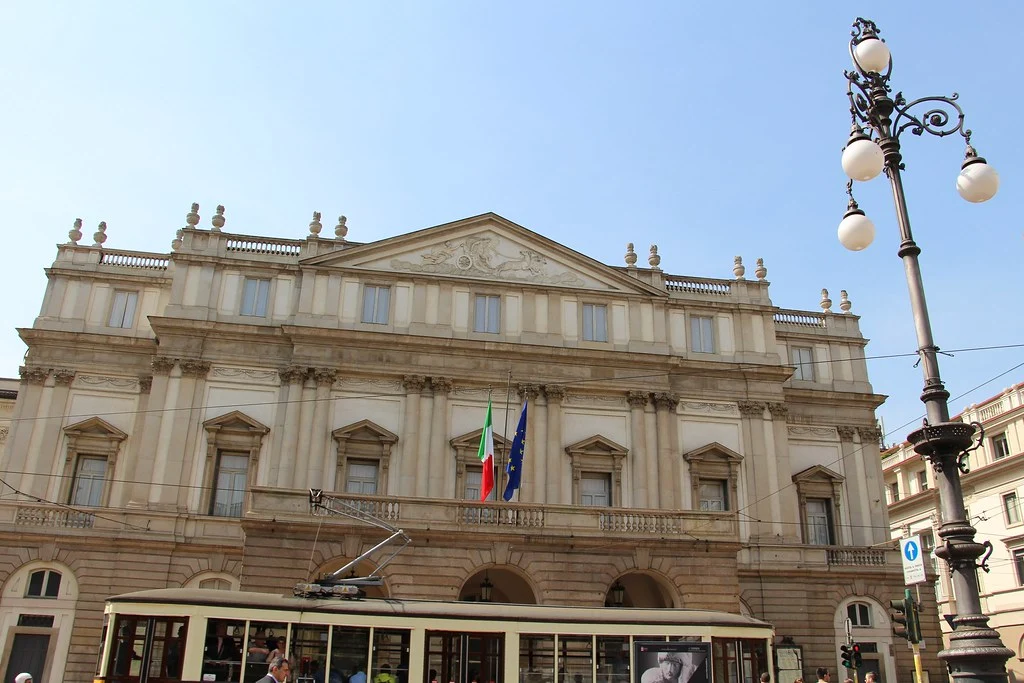
The theatre opened in 1778 and became central to Milan’s operatic identity. Its history connects composers, performers, audiences and the changing city; museum objects and the building help place that performance tradition in context.
Why Visit
Choose the tour if interpretation matters more to you than simply glimpsing the auditorium. It suits music enthusiasts and first-time visitors who want a compact cultural stop near the Duomo and central Milan.
Tickets & Entry Options
The selected product includes theatre entry and a one-hour English-speaking guided tour. It is not an opera seat, backstage production pass or guarantee of an unrestricted auditorium view. Follow the meeting instructions and the exact language printed on your booking.
| Option | Includes | Know before booking |
|---|---|---|
| Reviewed option (opens in a new tab) | Theatre entry and a one-hour English guided visit | Not a performance ticket; artistic activity can restrict the route and view. |
Ticket Price
Compare a guided-tour price with another guided tour of similar language and scope, not with a basic museum ticket or an opera seat. Read the current cancellation and access conditions before paying.
Opening Hours
Your tour start time takes priority over general museum opening hours. Theatre visibility can change during rehearsals, performances or events; allow for a modified route rather than treating the auditorium as permanently available.
How to Get There
Head to the Piazza della Scala area, but meet at the precise location on the voucher. The nearby Galleria Vittorio Emanuele II is a separate building, not the theatre entrance.
Highlights
Listen for the relationship between opera, architecture and Milanese society. Costumes, portraits and theatrical memorabilia can be as revealing as the auditorium itself, especially when rehearsals limit the view of the hall.
Tips
Arrive before the meeting time and read the product’s dress requirements. Keep expectations realistic about photographs, restricted rooms and backstage access, and ask the guide before leaving the group.
Average Time
Allow the booked hour plus check-in time and a short buffer afterwards. Reserve a performance separately if experiencing an opera is an essential part of your Milan plans.
Winter Tips
A guided theatre visit is useful in poor weather, although the meeting point may be outside. Check festive schedules and performance-related changes rather than assuming that normal museum hours apply every day.
La Scala Theatre Guided Tour: planning questions
What should I check before choosing La Scala Theatre Guided Tour?
The selected product includes theatre entry and a one-hour English-speaking guided tour. It is not an opera seat, backstage production pass or guarantee of an unrestricted auditorium view. Follow the meeting instructions and the exact language printed on your booking.
How much time should I allow for La Scala Theatre Guided Tour?
Allow the booked hour plus check-in time and a short buffer afterwards. Reserve a performance separately if experiencing an opera is an essential part of your Milan plans.
How should I plan the journey to La Scala Theatre Guided Tour?
Head to the Piazza della Scala area, but meet at the precise location on the voucher. The nearby Galleria Vittorio Emanuele II is a separate building, not the theatre entrance.
Practical details can change. Check your selected Ticketory booking for current prices, opening arrangements, accessibility and entry instructions. Suggested timings and routes are our planning advice, not a guaranteed schedule.
Our editorial approach