The short answer
Explore nineteenth-century painting and sculpture in a former railway station; reserve time for favourite galleries rather than rushing through everything.
Best forImpressionist art and nineteenth-century culture
Time to allow2–3 hours; longer with exhibitions
Plan at a glance
| Best for | Impressionist art and nineteenth-century culture |
|---|---|
| Time to allow | 2–3 hours; longer with exhibitions |
| Decide first | Explore nineteenth-century painting and sculpture in a former railway station; reserve time for favourite galleries rather than rushing through everything. |
| Ticketory options list | Compare tickets on Ticketory |
History
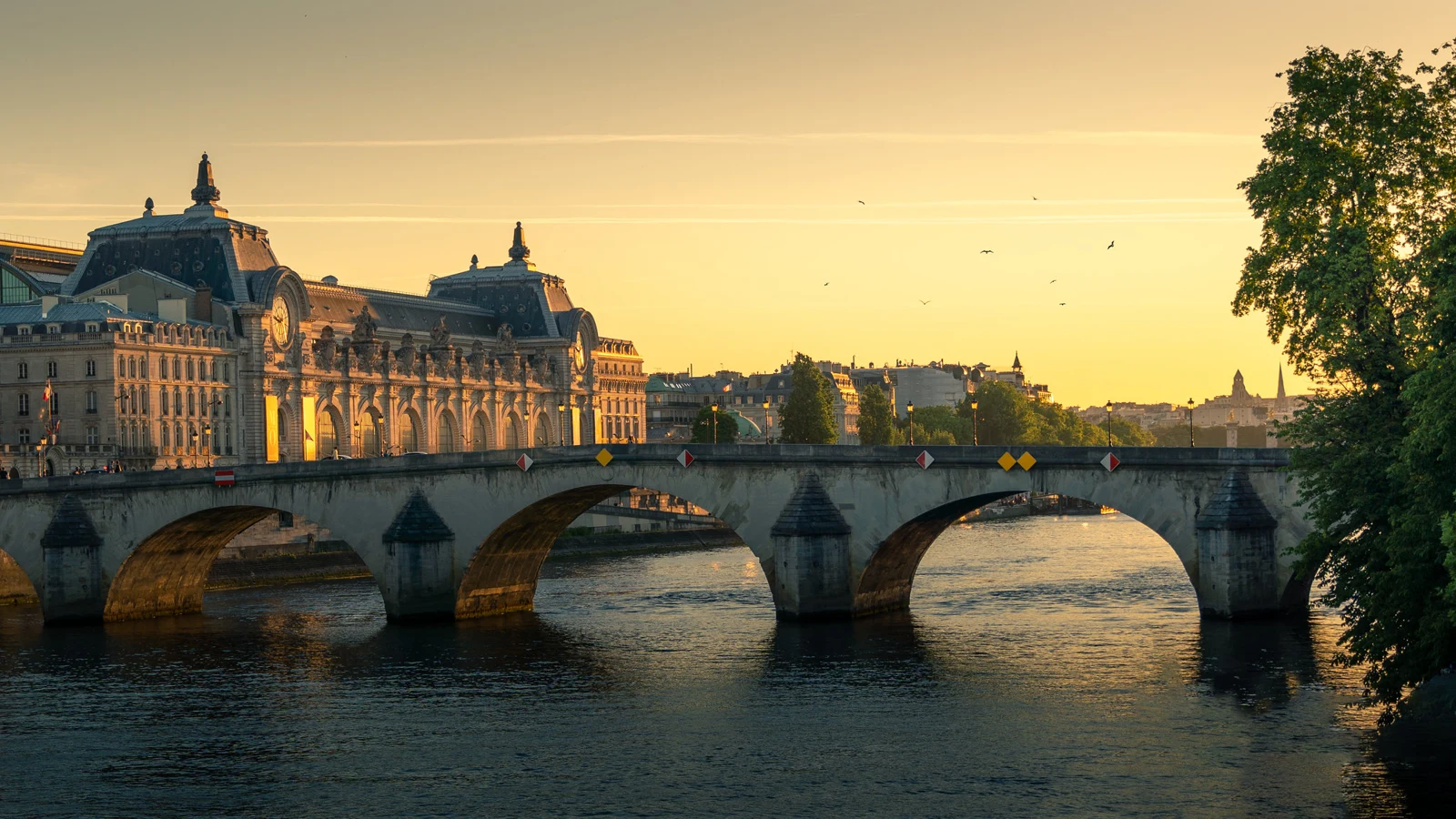
The museum occupies the former Gare d’Orsay, built for the 1900 Universal Exhibition. Its conversion brought a railway interior into cultural use rather than replacing it. The collection focuses on the period from 1848 to 1914, allowing you to trace artistic changes across painting, sculpture and decorative arts within a relatively coherent historical span.
Why Visit
Visit for a more concentrated art itinerary than an attempt to cover every period in one enormous museum. Pick two or three priorities and let the building connect them. The old station hall gives useful visual orientation between galleries. If you have limited energy, spend it looking closely at works that interest you rather than following a rigid checklist.
Tickets & Entry Options
The verified dedicated-entrance ticket covers the permanent collection and temporary exhibitions subject to availability. It explicitly does not bypass security or exhibition queues. Choose that straightforward option when you want independent exploration; book guiding separately only if clearly included. Do not infer admission to the Orangerie from other variants mentioned elsewhere in a general listing.
| Option | Includes | Know before booking |
|---|---|---|
| Dedicated entrance (opens in a new tab) | Permanent collection and temporary exhibitions subject to availability. | Security and exhibition queues remain; no live guide. |
Price
The official museum lists its own online, on-site and concession categories; compare those conditions with the final Ticketory price for your date. Check free-entry eligibility before paying, particularly for children and eligible younger visitors. A timed reservation and a discounted tariff are separate questions. No fixed reseller price or availability is promised here.
Opening Hours
The usual schedule is Tuesday–Sunday, 09:30–18:00, with Thursday opening until 21:45. It is closed on Mondays, 1 May and 25 December. Galleries close before the building: normally at 17:30 and at 21:15 on Thursday. Choose an arrival that leaves meaningful gallery time, not merely enough time to enter.
How to Get There
The museum is on Esplanade Valéry Giscard d’Estaing on the left bank of the Seine. Solférino is served by Métro 12, and Musée d’Orsay station by RER C. Use the entrance instructions for your actual ticket and follow current staff signage. Leave a buffer if connecting from another timed attraction across the river. The museum remains open during reception-area works; entrances and exits can change, so follow the current signs.
Highlights
Balance paintings with the sculpture spaces in the former station hall. Seeing objects at different scales makes the architecture part of the experience instead of just a backdrop for a photograph. Check the current gallery map for the works you most want to see; loans, room changes and exhibition arrangements can affect what is on display.
Visitor Tips
Have the reservation and identification for any concession ready before arrival. Read the current bag and accessibility information if travelling with a pushchair or needing step-free access. Plan a pause before museum fatigue sets in. If you buy an audio guide, confirm the device, language and collection point rather than assuming every admission includes one.
How Long to Allow
Allow 2–3 hours for a selective collection visit, or longer if adding an exhibition and a substantial break. A shorter visit works best with a deliberately limited route. Avoid booking another major art museum immediately afterwards unless you know that concentrated gallery time suits your group; the second visit can otherwise become an endurance exercise.
Winter Advice
Orsay is a strong indoor winter choice, especially when you want daylight for an outdoor walk on another day. Thursday evenings offer a different scheduling option, not a promise of empty rooms. Check transport and holiday notices before leaving, keep a layer for the riverside approach and allow time to leave the galleries before closing.
Musée d’Orsay: planning questions
What should I check before choosing Musée d’Orsay?
The verified dedicated-entrance ticket covers the permanent collection and temporary exhibitions subject to availability. It explicitly does not bypass security or exhibition queues. Choose that straightforward option when you want independent exploration; book guiding separately only if clearly included. Do not infer admission to the Orangerie from other variants mentioned elsewhere in a general listing.
How much time should I allow for Musée d’Orsay?
Allow 2–3 hours for a selective collection visit, or longer if adding an exhibition and a substantial break. A shorter visit works best with a deliberately limited route. Avoid booking another major art museum immediately afterwards unless you know that concentrated gallery time suits your group; the second visit can otherwise become an endurance exercise.
How should I plan the journey to Musée d’Orsay?
The museum is on Esplanade Valéry Giscard d’Estaing on the left bank of the Seine. Solférino is served by Métro 12, and Musée d’Orsay station by RER C. Use the entrance instructions for your actual ticket and follow current staff signage. Leave a buffer if connecting from another timed attraction across the river. The museum remains open during reception-area works; entrances and exits can change, so follow the current signs.
Practical details can change. Check your selected Ticketory booking for current prices, opening arrangements, accessibility and entry instructions. Suggested timings and routes are our planning advice, not a guaranteed schedule.
Our editorial approach