The short answer
A rewarding first visit for architecture and cultural history, provided the standard stair-based route suits your group.
Best forArchitecture, performance spaces and the story behind the sails.
Time to allowAllow around two hours around a one-hour tour, longer with dining.
Plan at a glance
| Best for | Architecture, performance spaces and the story behind the sails. |
|---|---|
| Time to allow | Allow around two hours around a one-hour tour, longer with dining. |
| Decide first | A rewarding first visit for architecture and cultural history, provided the standard stair-based route suits your group. |
| Ticketory options list | Check tickets and availability on Ticketory |
History
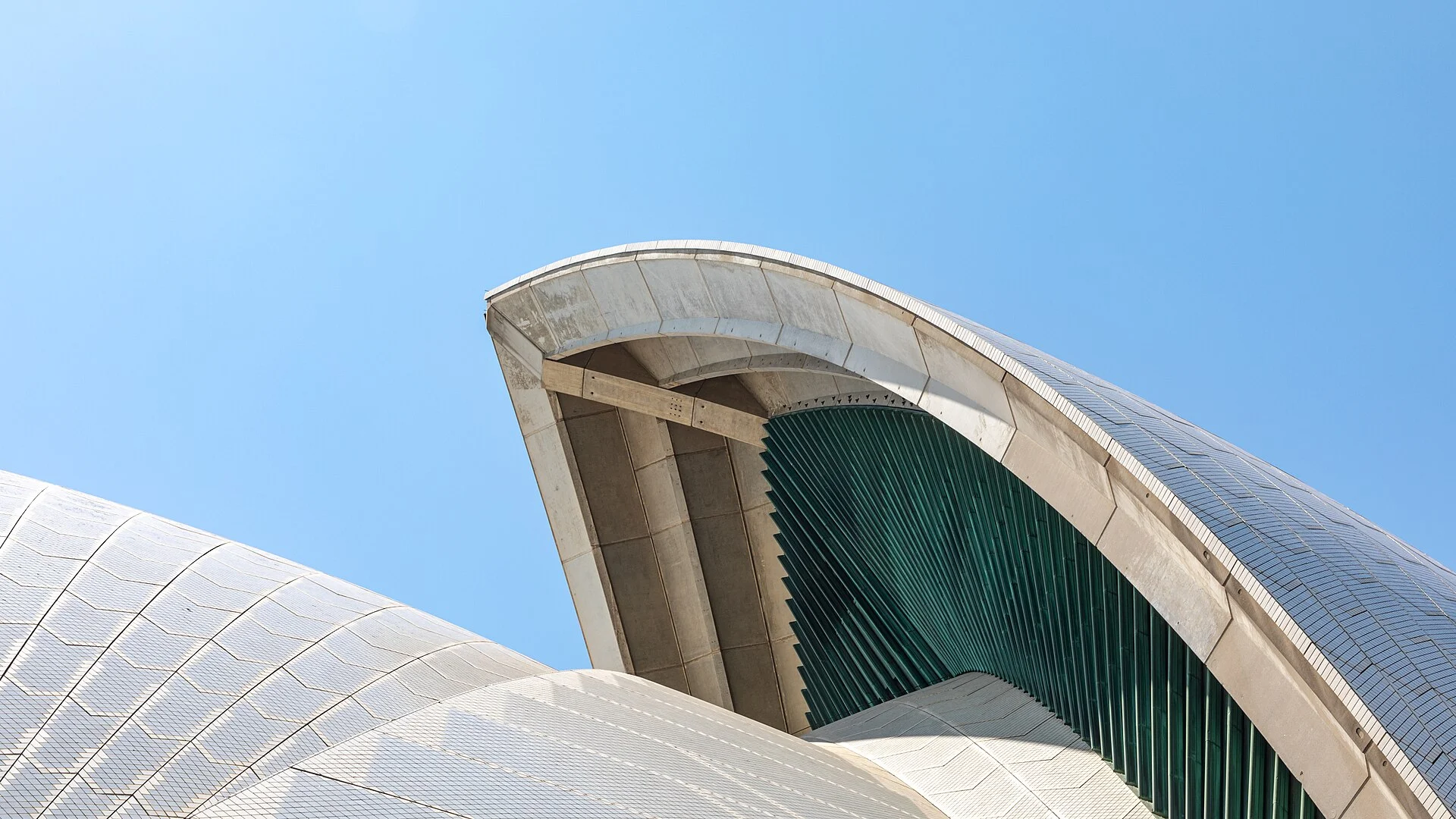
Danish architect Jørn Utzon designed the Opera House, with construction beginning in 1959 and the building opening in 1973. The roof geometry and engineering challenges helped make it a landmark of modern architecture.
The site is Tubowgule, a place with a much longer Gadigal history of gathering and ceremony. Today the building remains an active arts venue rather than a museum preserved around a single opening-day arrangement.
Why Visit
A tour helps connect the familiar exterior with the practical realities of an operating arts centre. It is particularly useful if you want context and interior access but cannot commit an evening to a performance.
Choose it for the explanation, not a promise to enter every auditorium. Rehearsals, performances and operational needs can change the route; a room shown in a promotional photograph need not be available during your departure.
Tickets & Entry Options
A tour and a performance are different purchases. Select the English departure if that is the language you need; a venue listing containing several languages does not mean every departure is multilingual. The meal upgrade is worthwhile only if the available restaurant and serving window suit you.
| Option | Includes | Know before booking |
|---|---|---|
| English guided walking tour (opens in a new tab) | One-hour English tour, tour entry and cloakroom access. | No performance ticket, transport, parking or meal; interior spaces can change. |
| English tour with meal and drink (opens in a new tab) | The English tour plus one meal and drink from the selected dining menu. | Restaurant, menu, redemption hours and dietary suitability require confirmation; not unrestricted dining. |
Ticket Price
Compare the final dated Ticketory total for the tour alone and the dining upgrade. Currency, age bands and cancellation terms can change; a lower headline amount does not establish the cost for your whole party.
Budget separately for travel, parking and any food outside the selected menu. If you already have evening performance tickets, do not assume they include a daytime guided visit.
Opening Hours
Tours run on scheduled departures, not whenever the exterior precinct is accessible. Use the actual booking calendar and voucher; holidays and the performance programme can affect availability.
The official standard tour is approximately one hour and involves up to 2.5 kilometres and around 300 stairs. It has no lift route; ask about the separate Mobility Access Tour before buying if step-free access is needed.
How to Get There
Travel to Circular Quay by train, light rail, bus or ferry, then walk around the waterfront to Bennelong Point. Allow extra time for photographs without consuming your check-in margin.
The selected tour directs visitors to the Welcome Centre on the Lower Concourse. Follow the voucher rather than joining a performance-entry queue at another door.
Highlights
Look for the relationship between the concrete shells, waterfront site and public foyers. Listen for how design ambitions became a working performance building. The specific spaces visited are determined on the day, not by a fixed checklist.
Tips
Wear shoes suitable for a full hour standing and climbing stairs. The standard route does not accommodate strollers, and oversized luggage or video recording may be restricted. Check cloakroom requirements before bringing a large bag.
Keep a meal or harbour walk after the tour flexible. If dining is included, save the exact redemption details offline and ask about dietary requirements before payment, not at the restaurant.
Average Time
The tour lasts about one hour. Our planning allowance is around two hours including check-in and an unhurried exterior look; add a proper meal break if you choose dining rather than scheduling another attraction immediately afterwards.
Winter Tips
Sydney winter is June–August. Bring a windproof layer for the exposed promenade and ferry journey, even though much of the tour is sheltered. Earlier darkness can make an afternoon tour followed by harbour lights appealing; it does not change your ticket into a performance admission.
Sydney Opera House: planning questions
What should I check before choosing Sydney Opera House?
A tour and a performance are different purchases. Select the English departure if that is the language you need; a venue listing containing several languages does not mean every departure is multilingual. The meal upgrade is worthwhile only if the available restaurant and serving window suit you.
How much time should I allow for Sydney Opera House?
The tour lasts about one hour. Our planning allowance is around two hours including check-in and an unhurried exterior look; add a proper meal break if you choose dining rather than scheduling another attraction immediately afterwards.
How should I plan the journey to Sydney Opera House?
Travel to Circular Quay by train, light rail, bus or ferry, then walk around the waterfront to Bennelong Point. Allow extra time for photographs without consuming your check-in margin. The selected tour directs visitors to the Welcome Centre on the Lower Concourse. Follow the voucher rather than joining a performance-entry queue at another door.
Practical details can change. Check your selected Ticketory booking for current prices, opening arrangements, accessibility and entry instructions. Suggested timings and routes are our planning advice, not a guaranteed schedule.
Our editorial approach