The short answer
Choose the standard entry ticket for an independent visit. Check the official date calendar before booking because hours and final admission vary.
Best forFamilies, local aquatic life and a weather-proof Kyoto plan
Time to allowOur suggestion: 2–3 hours inside
Plan at a glance
| Best for | Families, local aquatic life and a weather-proof Kyoto plan |
|---|---|
| Time to allow | Our suggestion: 2–3 hours inside |
| Decide first | Choose the standard entry ticket for an independent visit. Check the official date calendar before booking because hours and final admission vary. |
| Ticketory options list | Check Kyoto Aquarium tickets |
A short history
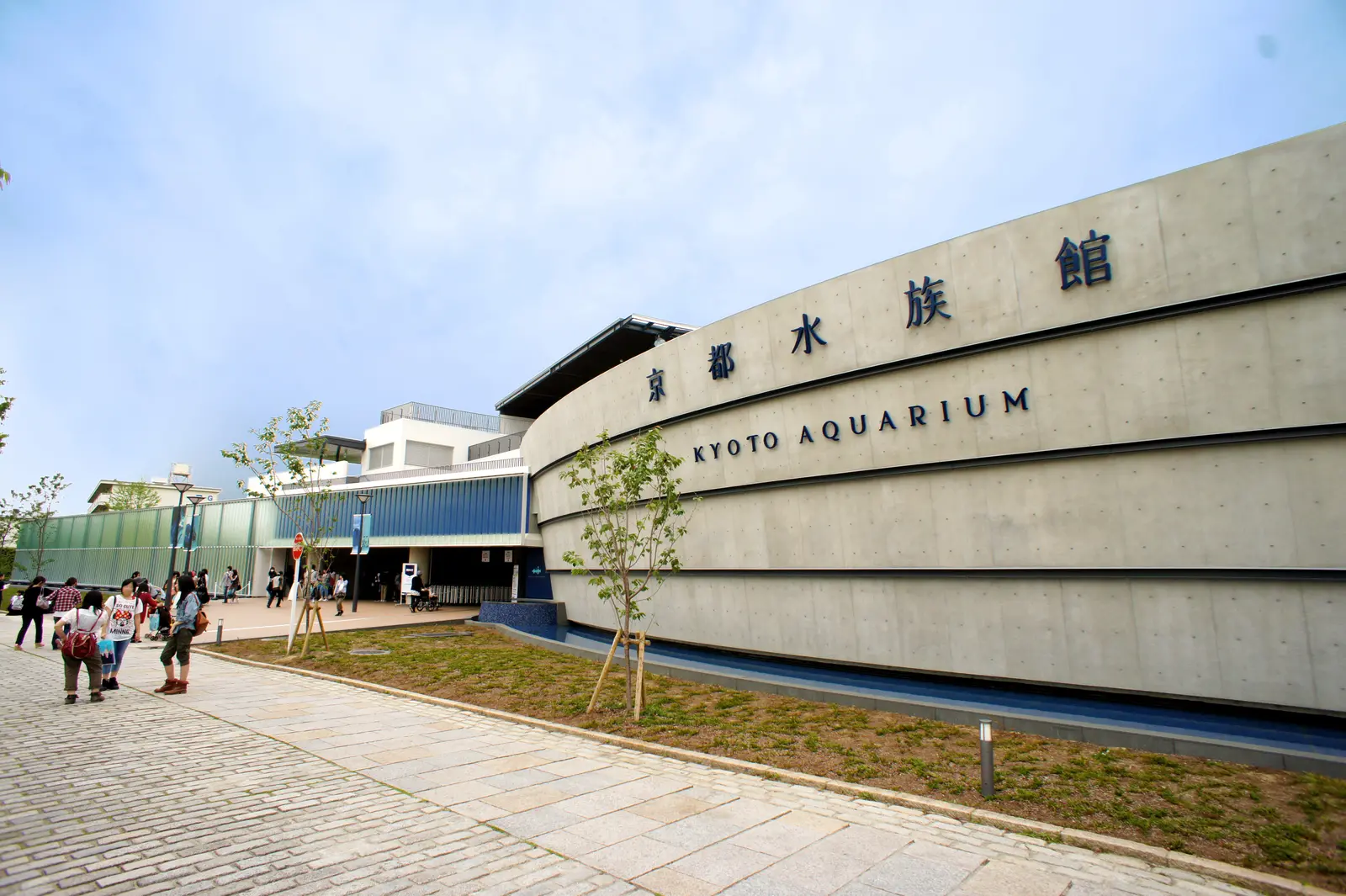
Kyoto Aquarium opened on 14 March 2012 inside Umekoji Park. Unlike a coastal aquarium, it was developed in an inland city and built its identity around the relationship between Kyoto’s rivers, surrounding sea and the life supported by those waters.
The aquarium completed its first major renovation in 2020 with Kurage Wonder, a dedicated jellyfish area centred on a 360-degree dome tank. The expansion also made daily breeding and research work more visible to visitors, adding another layer to a visit that already included local river life, penguins and the large Sea of Kyoto tank.
Why visit Kyoto Aquarium?
This is not a substitute for Kyoto’s temples and gardens; it is a different way to understand the region. The exhibits connect the city to freshwater habitats, the Sea of Kyoto and conservation work, so the aquarium feels more locally grounded than a generic collection of tanks.
Its central location makes it practical on an arrival or departure day, and most of the experience is indoors. Pair it with Kyoto Station or Umekoji rather than crossing the city between several timed attractions. If your wider Japan trip includes Osaka, keep its skyline visit separate for a contrasting urban experience.
Tickets and entry options
The directly verified Ticketory product lists one standard inclusion: entry to Kyoto Aquarium. It is designed for an independent visit. Select the correct date and visitor category on the booking page, then follow the delivery and redemption instructions in your confirmation.
Do not assume that a basic entry ticket adds transport, food, a private guide or paid special programmes. Aquarium events and animal presentations can change, so treat the dated official programme as the source for what will happen during your visit rather than buying solely for one activity.
| Option | Includes | Know before booking |
|---|---|---|
| Kyoto Aquarium entry ticket (opens in a new tab) | Admission to Kyoto Aquarium for an independent visit. | Transport, food and a guided tour are not listed as included; dated programmes and opening hours can change. |
Ticket prices and what to compare
The official walk-up prices checked on 11 October 2026 are ¥2,600 for adults including university students, ¥2,000 for high-school students, ¥1,400 for junior-high and elementary-school students, and ¥900 for children aged 3 and over. High-school students should be ready to show student identification at the ticket counter.
Ticketory’s payable total is dynamic, so use the booking page for the selected date and party. Compare the final currency, visitor category, cancellation terms and delivery instructions with the official admission price; do not use a headline starting price as the total for every traveller.
Opening hours and last admission
Kyoto Aquarium publishes opening times by date rather than one permanent daily schedule. Check the official calendar for your exact visit date before choosing transport or another timed attraction. Ticket purchases, annual-pass procedures and admission close one hour before the aquarium closes.
The aquarium normally has no fixed weekly closing day, but maintenance, events and weather can affect access or hours. A previously published time should not be carried over to a different date, and the supplier’s general description is not a substitute for the current official calendar.
How to get there
The aquarium is at 35-1 Kankijicho in Umekoji Park. The official route is about a 15-minute walk west from Kyoto Station’s Central Exit, or about seven minutes on foot from JR Umekoji-Kyotonishi Station on the San-in Main Line. Choose the shorter rail approach if weather, luggage or walking stamina matters.
There is no aquarium car park or dedicated drop-off area. If you drive, use a nearby public car park and check its current rules independently. From Kyoto Station, buses also serve the Nanajo Omiya/Kyoto Aquarium-mae area, but route numbers and traffic conditions can change.
What to look for
Begin with the Kyoto River area and spend time observing the Japanese giant salamanders rather than expecting constant movement. The native species is a protected natural monument, and the aquarium also explains the difference between native, introduced and hybrid salamanders found in Japan.
The Sea of Kyoto tank uses roughly 500 tonnes of artificial seawater and presents species associated with the region’s coast. Upstairs, compare the Cape penguins’ movement on land and underwater, then slow down in Kurage Wonder, where different tanks reveal how jellyfish move and develop.
Practical tips for your visit
Check the day programme after confirming the opening calendar, then decide which activities matter most. Start with your priority exhibit instead of trying to follow every announcement. The aquarium may change the species on display according to animal conditions, so no single animal encounter should be treated as guaranteed.
Save your ticket confirmation offline and leave a small buffer before final admission. Move slowly around dark tanks, keep children close and follow staff guidance about photography and animal welfare. If you are continuing to another part of Kyoto, allow time to walk back through the park and station.
- Use the official date calendar for hours and programmes before setting out.
- Spend a few quiet minutes at each salamander viewpoint; patience is more useful than rushing between tanks.
- Keep food, shopping and any special activity outside the time you reserve for the core exhibits.
How long should you allow?
Our suggested allowance is two to three hours inside, matching the broad visit range shown for the featured product while leaving room for a steady route through both floors. Families, photographers and visitors who follow several programmes may want longer.
Add the walk from your chosen station separately. A short visit is possible if you focus on a few exhibits, but do not build the rest of the day around an exact exit minute; entry procedures, children’s pace and programme timing can all extend the outing.
Winter visiting tips
The aquarium is a useful indoor anchor in winter, but the approach through Umekoji Park is exposed to cold or wet weather. Wear removable layers so you are comfortable both outside and in the warmer exhibit spaces, and keep rain protection easy to reach rather than buried in luggage.
Kyoto’s winter daylight is limited, so decide whether outdoor temples or neighbourhood walks need the brighter part of the day. An afternoon aquarium visit can work well after outdoor sightseeing, provided you check that day’s closing time and last admission before finalising the sequence.
Kyoto Aquarium ticket and timing questions
How should I compare Kyoto Aquarium ticket prices?
Use the official visitor categories: adult/university, high school, elementary/junior high, and children aged three and over. Compare your selected date’s final total and currency with the dated official reference prices in this guide. A headline starting price is not the fare for every member of your group.
Does the standard Kyoto Aquarium ticket include a tour or transport?
The listed standard product includes aquarium admission for an independent visit. Transport, food, a private guide and paid special programmes are not listed as included. Check the dated activity programme separately, since events, presentations and species on display can change; entry is not a guarantee of one particular animal encounter.
How late can I arrive at Kyoto Aquarium?
Admission and ticket purchases close one hour before the aquarium’s closing time, which varies by date. Consult the official calendar for your actual visit. Our suggestion is two to three hours inside, so arriving just before last entry leaves less time than the unhurried visit we recommend.
Practical details can change. Check your selected Ticketory booking for current prices, opening arrangements, accessibility and entry instructions. Suggested timings and routes are our planning advice, not a guaranteed schedule.
Our editorial approach