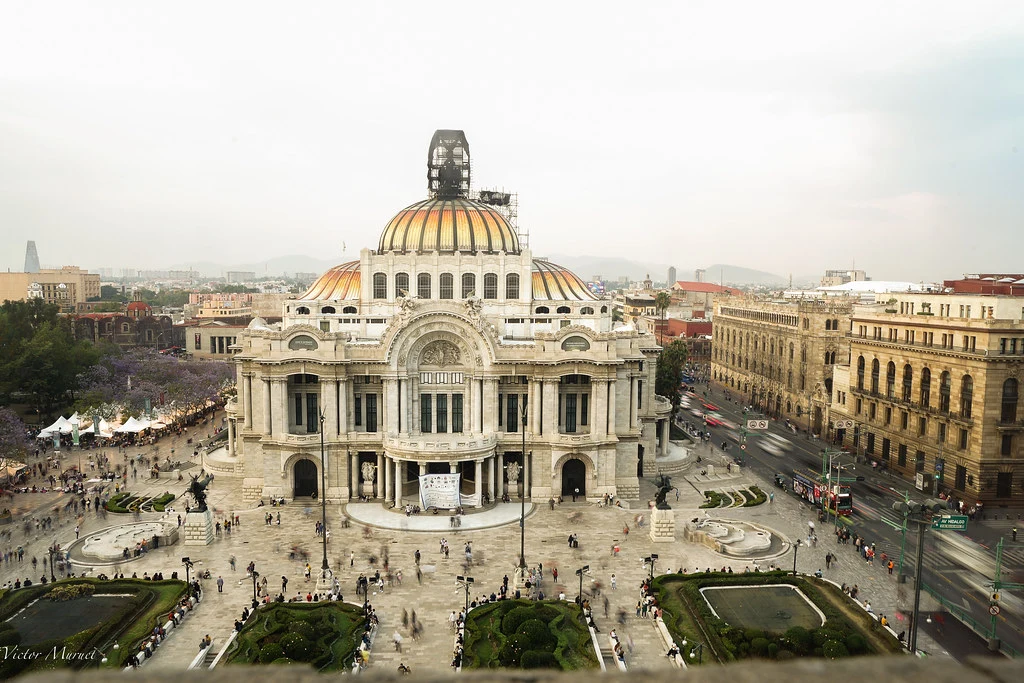
The short answer
Plan your visit to Palacio de Bellas Artes Guided Visit. Compare the exact ticket scope and practical details.
Best forIndependent visit planning
Time to allow1–2 hours
Plan at a glance
| Best for | Independent visit planning |
|---|---|
| Time to allow | 1–2 hours |
| Decide first | Plan your visit to Palacio de Bellas Artes Guided Visit. Compare the exact ticket scope and practical details. |
| Ticketory options list | Compare options on Ticketory |
History
Construction began in the early twentieth century, and the palace opened in 1934 after a prolonged building process. The contrast between its exterior and interior styles reflects changing ideas across that period of Mexican history.
Why Visit
Visit if you want to connect the mural paintings with their setting and historical context. A guide can help focus a compact visit, while visitors interested primarily in a performance should book the separate programme that suits them.
Tickets & Entry Options
The selected Ticketory product lists entry and a guided tour. Hotel pickup, drop-off, food and beverages are excluded. Performance admission and unrestricted auditorium access are not listed, so check any specific space that is essential to your plans.
Ticket Price
Compare the final Ticketory price for your date, visitor category and exact option. Admission, transport and guided services can be priced differently; review the complete payable amount, delivery instructions and cancellation terms before confirming.
Opening Hours
The museum publishes Tuesday–Sunday 10:00–18:00 opening, with exceptions and separate performance schedules. Attend the guided time on your voucher, and remember that a theatre event and a museum visit use different arrangements.
How to Get There
Head to Avenida Juárez beside Alameda Central and follow the guide’s exact meeting instructions. Bellas Artes metro serves the area; allow time for the final walk and busy crossings in the historic centre.
Highlights
Look closely at the relationship between the white exterior, interior decoration and mural galleries. The collection includes works associated with major Mexican muralists; temporary exhibitions and accessible rooms can change with the programme.
Tips
Check bag and photography rules before entering, and avoid assuming that a photograph of the theatre interior promises admission there. Bring the delivered entrance ticket or voucher and confirm the guiding language on the selected departure.
Average Time
Allow around one to two hours for the guided museum visit, plus time outside to appreciate the façade and Alameda surroundings. A performance requires its own additional time and an independently confirmed ticket.
Winter Tips
The indoor galleries make a useful winter stop, but central Mexico City can feel cool early and late in the day. Bring a layer, check festive closures and keep enough daylight for the surrounding streets.
Palacio de Bellas Artes Guided Visit: planning questions
What should I check before choosing Palacio de Bellas Artes Guided Visit?
The selected Ticketory product lists entry and a guided tour. Hotel pickup, drop-off, food and beverages are excluded. Performance admission and unrestricted auditorium access are not listed, so check any specific space that is essential to your plans.
How much time should I allow for Palacio de Bellas Artes Guided Visit?
Allow around one to two hours for the guided museum visit, plus time outside to appreciate the façade and Alameda surroundings. A performance requires its own additional time and an independently confirmed ticket.
How should I plan the journey to Palacio de Bellas Artes Guided Visit?
Head to Avenida Juárez beside Alameda Central and follow the guide’s exact meeting instructions. Bellas Artes metro serves the area; allow time for the final walk and busy crossings in the historic centre.
Practical details can change. Check your selected Ticketory booking for current prices, opening arrangements, accessibility and entry instructions. Suggested timings and routes are our planning advice, not a guaranteed schedule.
Our editorial approach